Understanding how often to brush your dog depends entirely on their coat type and individual needs. Regular brushing keeps your dog comfortable, reduces shedding around your home, and strengthens the bond between you and your pet.
This comprehensive dog coat brushing guide will help you establish the right routine for your furry friend. Different coat types require vastly different care schedules, from daily attention for long-haired breeds to weekly sessions for short-coated dogs.
Why Regular Grooming Matters
Regular brushing removes loose fur before it ends up on your furniture and clothes. More importantly, it distributes natural oils throughout your dog's coat, keeping their skin healthy and their fur shiny.
Brushing also helps you spot potential health issues early. You'll notice lumps, bumps, or skin irritations during grooming sessions that might otherwise go undetected.
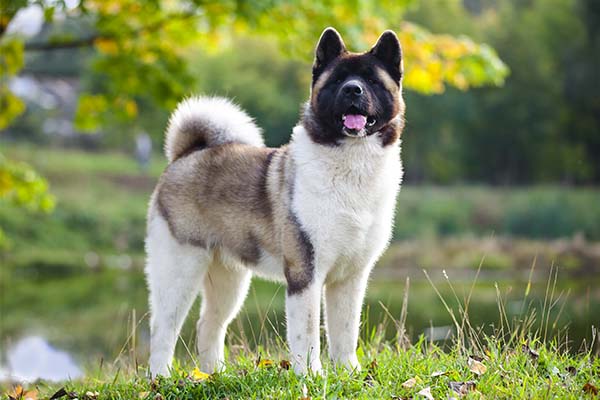
For dogs with double coats like Akitas, regular brushing prevents painful matting and helps regulate body temperature. Neglected coats can develop mats so tight they restrict movement and trap moisture against the skin.
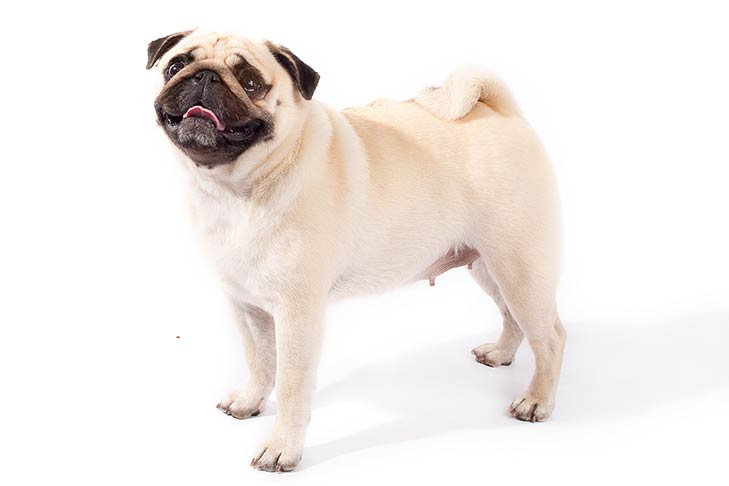
Dog brushing frequency by coat type varies significantly. Short-haired breeds like Pugs need less frequent brushing than long-haired breeds, but they still benefit from regular grooming sessions.
Tools and Supplies Needed
The right tools make brushing easier and more effective for both you and your dog. Investing in quality grooming supplies saves time and reduces stress during grooming sessions.
Slicker brushes work well for most coat types and help remove loose undercoat. Pin brushes are gentler and perfect for finishing touches on longer coats.
Undercoat rakes are essential for double-coated breeds. These tools reach through the top coat to remove loose undercoat without damaging the guard hairs.
Deshedding tools help manage heavy shedding periods. Use these tools carefully and sparingly to avoid over-brushing, which can irritate the skin.
Metal combs help work through tangles and check for mats. Wide-toothed combs work well for initial detangling, while fine-toothed combs catch smaller knots.
Step-by-Step Process
Start brushing sessions when your dog is calm and relaxed. Choose a comfortable location with good lighting where you can easily reach all areas of your dog's body.
Begin with a quick overall assessment of your dog's coat. Look for mats, tangles, or areas that need extra attention before you start brushing.
Work in sections, starting from the head and moving toward the tail. Brush in the direction of hair growth, using gentle strokes that don't pull or tug.
Pay special attention to areas where mats commonly form: behind the ears, under the legs, around the collar area, and on the chest. These spots often get overlooked but need regular care.
For how to brush a shedding dog during heavy shedding seasons, work slowly and take breaks. Your dog may need several shorter sessions rather than one long grooming session.
Finish each session with praise and perhaps a small treat. This positive association makes future brushing sessions easier and more enjoyable for your dog.
Frequency and Scheduling Tips
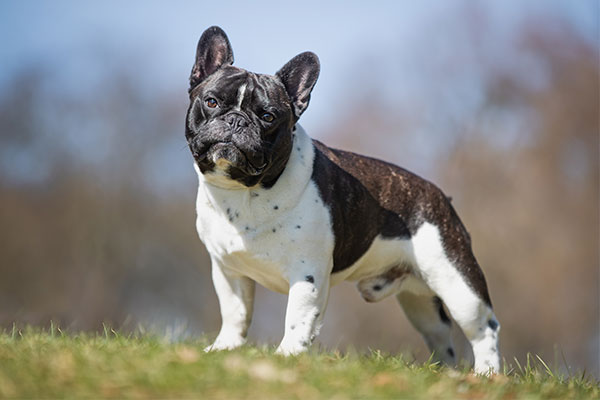
Short-haired breeds like French Bulldogs typically need brushing once or twice per week. Their smooth coats don't mat easily, but regular brushing still helps control shedding and keeps skin healthy.
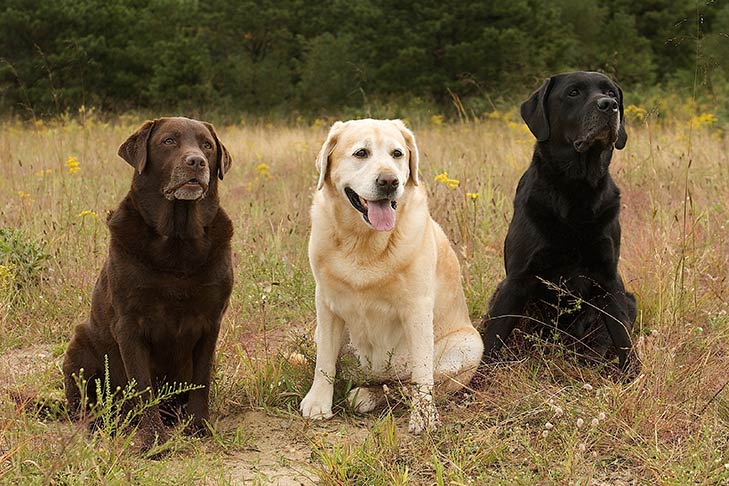
Medium-length coats require brushing two to three times per week. Labrador Retrievers fall into this category, especially during shedding seasons when daily brushing may be necessary.
Long-haired and double-coated breeds need daily brushing to prevent mats and tangles. Affenpinschers and similar wire-coated breeds require consistent daily attention to maintain their distinctive coats.
Curly and woolly coats need the most frequent brushing, often daily or every other day. These coat types mat quickly and require professional grooming every 6-8 weeks.
Seasonal shedding periods require adjusted schedules. Most dogs shed heavily twice per year, typically in spring and fall, when daily brushing helps manage the increased fur loss.
Establish a consistent routine that works with your schedule. Many pet parents find success brushing their dogs at the same time each day, making it part of their regular routine.
Common Mistakes to Avoid
Brushing too aggressively can hurt your dog and damage their coat. Use gentle pressure and let the brush do the work rather than pressing hard against the skin.
Skipping problem areas makes mats worse over time. Don't avoid sensitive spots like the belly or legs just because your dog resists - work gradually to build tolerance.
Using the wrong brush type can be ineffective or harmful. Research the best tools for your dog's specific coat type rather than using whatever brush you have available.
Waiting too long between sessions allows mats to form and makes brushing more difficult. Consistency prevents problems rather than trying to fix them after they develop.
Brushing wet or damp coats can cause more matting and breakage. Always brush your dog when their coat is completely dry, except when using specific detangling products.
Ignoring your dog's comfort signals leads to negative associations with grooming. Watch for signs of stress and take breaks when needed to keep the experience positive.
Quick Reference Summary
Use this quick reference to determine how often to brush your dog based on their coat characteristics:
- Short, smooth coats: 1-2 times per week
- Medium-length coats: 2-3 times per week
- Long or double coats: Daily brushing required
- Curly or woolly coats: Daily to every other day
- During shedding seasons: Increase frequency for all coat types
- Essential tools: Slicker brush, pin brush, metal comb, undercoat rake
- Always brush when coat is completely dry
- Focus on mat-prone areas: ears, legs, chest, collar area
- Keep sessions positive with praise and treats
- Establish a consistent routine for best results
Always consult your veterinarian if you notice skin irritation, excessive matting, or changes in your dog's coat condition during grooming sessions.