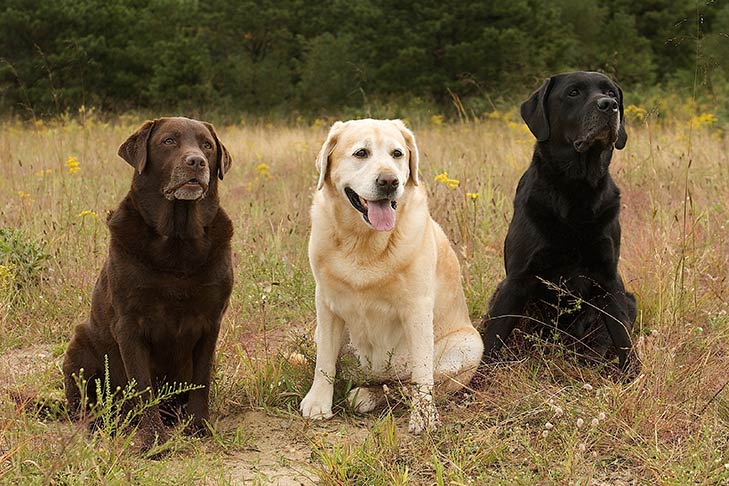
Deciding between professional grooming vs home grooming is one of the most common dilemmas pet owners face. Both approaches have distinct advantages, and the right choice depends on your dog's needs, your budget, and your comfort level with grooming tasks.
This comprehensive guide will help you understand when to use a professional dog groomer versus when dog grooming at home makes more sense. We'll explore the tools, techniques, and considerations that will help you make the best decision for your furry friend.
Why Regular Grooming Matters
Regular grooming goes far beyond keeping your dog looking good. It's essential for maintaining healthy skin, preventing matting, and catching potential health issues early.
Proper grooming helps distribute natural oils throughout your dog's coat, reduces shedding, and prevents painful mats that can pull on the skin. It also provides opportunities to check for lumps, cuts, or skin irritations that might otherwise go unnoticed.
Different breeds have varying grooming needs. Double-coated breeds like Akitas require regular brushing to prevent undercoat buildup, while short-haired breeds like Pugs need less frequent but still consistent care to maintain skin health.
Tools and Supplies Needed
If you're considering whether you should groom your dog at home, having the right tools is crucial for success. Professional groomers invest in high-quality equipment, but you can achieve good results with basic supplies.
Essential tools for home grooming include a quality brush suited to your dog's coat type, nail clippers, dog-specific shampoo, and towels. For breeds with longer coats, you'll also need a slicker brush and possibly thinning shears.
Professional groomers have access to specialized equipment like high-velocity dryers, professional-grade clippers, and hydraulic grooming tables. These tools can make the process faster and more efficient, especially for larger dogs or complex cuts.
The initial investment for home grooming supplies typically ranges from $50 to $200, depending on your dog's needs. Compare this to professional grooming costs, which can range from $30 to $150 per session depending on your location and dog's size.
Step-by-Step Process
Whether you choose professional or home grooming, understanding the process helps you make informed decisions. Professional groomers follow a systematic approach that you can adapt for home use.
The grooming process typically begins with a thorough brushing to remove loose hair and mats. This is followed by nail trimming, ear cleaning, and bathing with appropriate shampoo. The final steps include drying, final brushing, and any necessary trimming or styling.
Professional groomers excel at handling anxious dogs and completing the process efficiently. They're trained to recognize signs of stress and adjust their approach accordingly. Home grooming allows you to work at your dog's pace but may take significantly longer.
Certain breeds benefit from professional expertise. Affenpinschers require specific hand-stripping techniques, while French Bulldogs need careful attention to their facial folds and breathing during the grooming process.
Frequency and Scheduling Tips
Grooming frequency depends on your dog's coat type, lifestyle, and personal preferences. Most dogs benefit from professional grooming every 6-8 weeks, with regular maintenance at home between sessions.
Dogs with continuously growing coats, like Poodles and Doodle mixes, typically need professional grooming every 4-6 weeks. Breeds with seasonal shedding patterns benefit from professional de-shedding treatments during peak shedding periods.
Home maintenance should include weekly brushing for most breeds, with daily brushing for long-coated dogs. Labrador Retrievers benefit from weekly brushing and monthly baths, while maintaining their natural water-resistant coat.
Consider your schedule and budget when planning grooming frequency. Many pet owners find success combining professional grooming every 8-12 weeks with regular home maintenance, creating a hybrid approach that balances cost and care quality.
Common Mistakes to Avoid
Many pet owners make costly mistakes when deciding between professional and home grooming. Understanding these pitfalls can save you time, money, and stress.
The most common mistake is attempting complex cuts or procedures without proper training. Nail cutting accidents, clipper burns, and uneven cuts are frequent results of overambitious home grooming attempts.
Another mistake is neglecting regular maintenance between professional appointments. Even with professional grooming, dogs need consistent brushing and basic care at home to prevent matting and maintain coat health.
Using human products on dogs is a serious error that can cause skin irritation and coat damage. Always use dog-specific shampoos and conditioners formulated for your pet's pH levels and skin sensitivity.
Don't ignore your dog's stress signals during grooming sessions. If your pet becomes extremely anxious or aggressive during home grooming, professional groomers have the training and tools to handle these situations safely.
Making the Right Choice
The decision between professional grooming vs home grooming isn't always black and white. Many successful pet owners use a combination approach, handling basic maintenance at home while relying on professionals for complex procedures.
Choose professional grooming if your dog has a complex coat that requires specialized techniques, if you lack time for regular maintenance, or if your pet becomes stressed during grooming attempts. Professional groomers also provide valuable health checks and can spot issues you might miss.
Home grooming works well if you enjoy the bonding experience, have a dog with straightforward grooming needs, and want to save money over time. It's also ideal for dogs who are anxious in new environments or around strangers.
Remember that grooming is about more than appearance. Regular care, whether professional or at home, contributes significantly to your dog's overall health and wellbeing.
Quick Reference Summary
- Professional grooming offers expertise, specialized tools, and comprehensive health checks
- Home grooming provides cost savings, convenience, and bonding opportunities
- Essential home tools include quality brushes, nail clippers, dog shampoo, and towels
- Most dogs benefit from professional grooming every 6-8 weeks with home maintenance between
- Avoid attempting complex cuts, using human products, or ignoring stress signals
- Consider a hybrid approach combining professional services with home care
- Choose based on your dog's needs, your skill level, and available time and budget
- Regular grooming, regardless of method, is essential for health and wellbeing