Understanding Your Dog's Vaccination Schedule
A proper dog vaccination schedule forms the foundation of your pet's lifelong health protection. Vaccines work by training your dog's immune system to recognize and fight specific diseases before they can cause serious illness.
The puppy vaccine schedule typically begins at 6-8 weeks of age and continues through 16-20 weeks. Adult dogs require regular booster shots to maintain immunity throughout their lives.
Core vaccines protect against the most serious and widespread diseases that affect all dogs. These include distemper, hepatitis, parvovirus, parainfluenza, and rabies. Non-core vaccines may be recommended based on your dog's lifestyle, location, and risk factors.
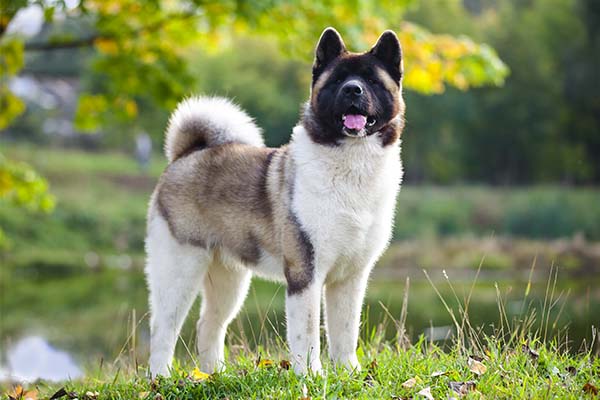
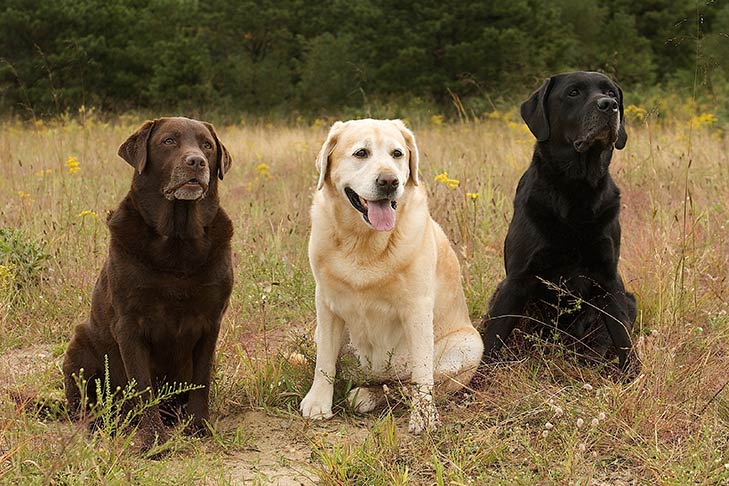
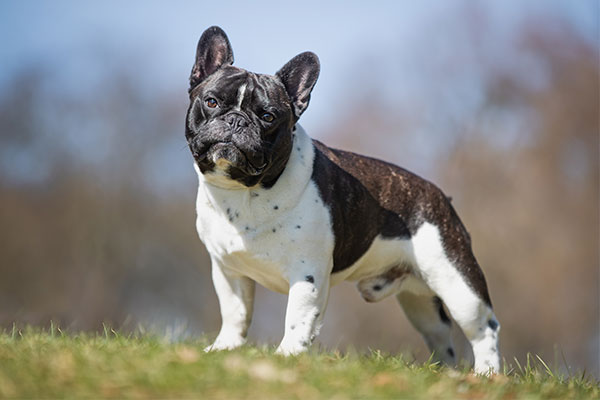
Different breeds may have varying vaccination needs. Large breeds like Akitas and Labrador Retrievers may require different timing considerations compared to smaller breeds like Affenpinschers or French Bulldogs.
Signs Your Dog Needs Vaccinations
Most vaccination schedules are preventive rather than reactive, meaning you follow a timeline regardless of symptoms. However, certain situations indicate your dog may need immediate vaccination attention.
Puppies showing signs of illness during their vaccination series may need schedule adjustments. Symptoms like lethargy, loss of appetite, vomiting, or diarrhea could indicate the need to delay vaccines until recovery.
Adult dogs with unknown vaccination histories require immediate evaluation. Rescue dogs or strays may need a complete vaccination series to ensure protection.
Dogs exposed to specific diseases may need emergency vaccination or post-exposure treatment. Rabies exposure, for example, requires immediate veterinary intervention regardless of previous vaccination status.
Travel plans often trigger vaccination needs. Many boarding facilities, dog parks, and travel destinations require current vaccination records before allowing entry.
Prevention Through Proper Vaccination
Starting your puppy vaccine schedule on time provides the best disease protection. Begin vaccinations at 6-8 weeks and follow your veterinarian's recommended timeline without delays.
Keep detailed vaccination records for your dog throughout their life. Document dates, vaccine types, and any reactions to help your veterinarian make informed decisions about future vaccinations.
Maintain your dog's general health between vaccinations. Good nutrition, regular exercise, and stress management help ensure vaccines work effectively by supporting a strong immune system.
Avoid exposing unvaccinated puppies to high-risk environments. Dog parks, pet stores, and areas with heavy dog traffic should be avoided until the puppy vaccination series is complete.
Schedule annual veterinary visits to review your dog's vaccination needs. As dogs age or their lifestyles change, vaccination requirements may need adjustment.
Vaccination Treatment Options
Core vaccines are typically administered as combination shots to reduce the number of injections needed. The DHPP vaccine covers distemper, hepatitis, parvovirus, and parainfluenza in a single injection.
Rabies vaccines are given separately and are required by law in most areas. The initial rabies vaccine is followed by boosters at intervals determined by local regulations and vaccine type.
Non-core vaccines include Lyme disease, kennel cough, and canine influenza. Your veterinarian will recommend these based on your dog's risk factors, geographic location, and lifestyle.
Some dogs may require modified vaccination schedules due to health conditions or previous reactions. Immunocompromised dogs or those with allergies may need special protocols.
Titer testing can help determine if your dog has adequate immunity levels before giving booster shots. This blood test measures antibody levels and may reduce unnecessary vaccinations in some cases.
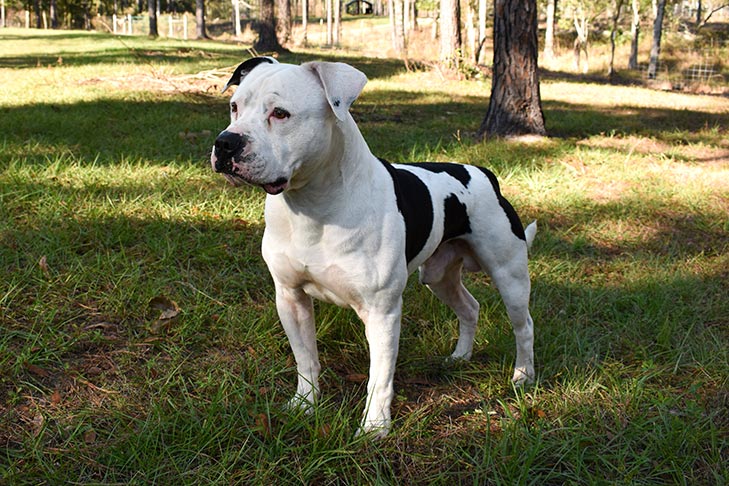
Breeds with known sensitivities may benefit from individualized approaches. American Bulldogs and other brachycephalic breeds sometimes require careful monitoring during and after vaccination.
Questions to Ask Your Veterinarian
Understanding your dog's specific vaccination needs requires open communication with your veterinarian. Ask about the recommended dog shots schedule for your pet's age, breed, and lifestyle.
Inquire about which vaccines are legally required in your area versus those that are recommended. Rabies requirements vary by state and local jurisdiction.
Discuss the timing of when do dogs need vaccines based on your puppy's current age and health status. Some puppies may need earlier or later start dates depending on their circumstances.
Ask about potential side effects and what to watch for after vaccinations. Most reactions are mild, but knowing what's normal helps you identify when to seek help.
Find out about cost-saving options like vaccine clinics or package deals. Many veterinary practices offer puppy packages that include multiple visits and vaccinations at reduced rates.
Discuss travel plans and whether additional vaccines are needed for your destinations. Some areas have higher risks for specific diseases that require extra protection.
Quick Reference Summary
Key points to remember about your dog vaccination schedule:
- Start puppy vaccinations at 6-8 weeks of age
- Core vaccines include DHPP and rabies
- Complete the initial series by 16-20 weeks
- Annual boosters maintain long-term immunity
- Keep detailed vaccination records
- Avoid high-risk areas until series is complete
- Non-core vaccines depend on lifestyle and location
- Monitor for mild side effects after vaccination
- Titer testing may reduce unnecessary boosters
- Discuss travel vaccination needs with your vet
Always consult your veterinarian before making health-related decisions for your pet.