Understanding Pain in Dogs
Dogs experience pain just like humans, but they often hide it as an instinctive survival mechanism. Recognizing the signs of pain in dogs is crucial for their wellbeing and quality of life.
Unlike humans, dogs cannot verbally communicate their discomfort, making it essential for pet owners to observe behavioral and physical changes. Pain can stem from injuries, arthritis, dental problems, or underlying health conditions that vary by breed and age.
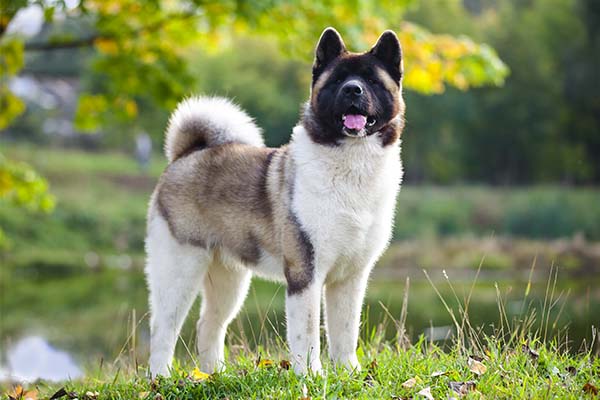
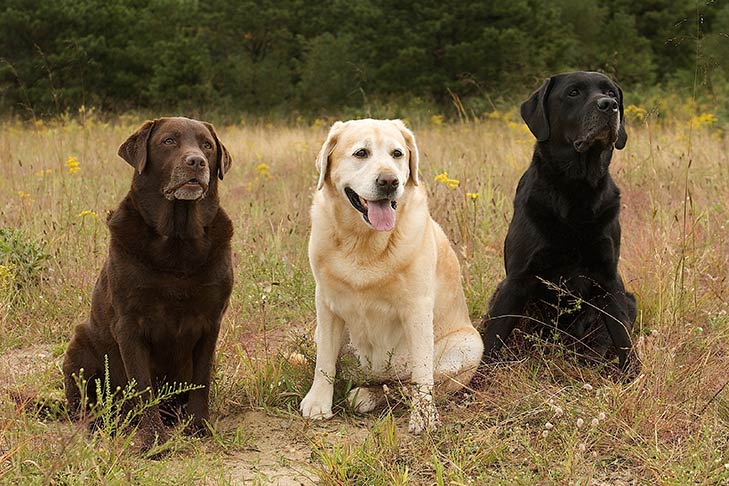
Some breeds may be more prone to specific pain-related conditions. For instance, larger breeds like Akitas and Labrador Retrievers often develop joint issues, while flat-faced breeds like French Bulldogs may experience breathing-related discomfort.
12 Signs Your Dog Is in Pain
Learning how to tell if your dog is in pain requires careful observation of both obvious and subtle changes. These dog pain symptoms can manifest physically, behaviorally, or emotionally.
Physical Signs of Pain
The most noticeable indicators are often physical changes in how your dog moves, breathes, or positions their body. These signs may develop gradually or appear suddenly depending on the cause.
Limping or favoring one leg is perhaps the most obvious sign, but dogs may also shift weight between legs or move stiffly. Changes in posture, such as a hunched back or reluctance to sit or lie down, often indicate abdominal or spinal discomfort.
Panting when not hot or after exercise can signal pain, especially in breeds prone to respiratory issues. Trembling or shaking that occurs without cold temperatures or excitement may also indicate discomfort.
Behavioral Changes
How dogs show pain often involves significant behavioral shifts that may be mistaken for aging or mood changes. A normally social dog might become withdrawn and seek isolation, while others may become clingy and seek constant attention.
Decreased activity levels or reluctance to participate in favorite activities like walks, playing fetch, or climbing stairs are common indicators. Some dogs may also show increased aggression or irritability when touched or approached.
Changes in sleep patterns, such as restlessness at night or difficulty finding a comfortable position, often accompany pain. Dogs may also vocalize more through whining, whimpering, or unusual barking patterns.
Appetite and Grooming Changes
Pain frequently affects a dog's desire to eat or drink. Loss of appetite or difficulty chewing may indicate dental pain, while nausea from medication or illness can also reduce food intake.
Neglecting normal grooming habits or inability to reach certain areas for cleaning may signal joint pain or mobility issues. Conversely, some dogs may excessively lick or chew at painful areas, potentially causing additional irritation.
Prevention Strategies
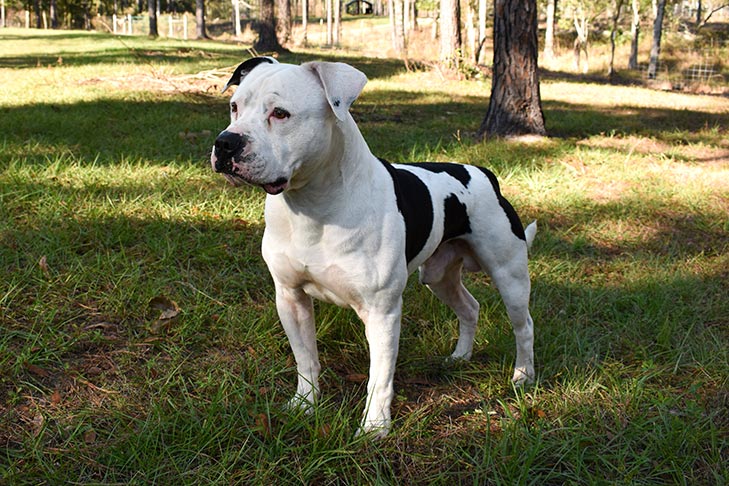
Preventing pain in dogs involves proactive care and regular monitoring. Maintaining a healthy weight reduces stress on joints and organs, particularly important for breeds prone to hip dysplasia like American Bulldogs.
Regular exercise appropriate for your dog's age and breed helps maintain joint flexibility and muscle strength. However, avoid overexertion, especially in older dogs or those with existing health conditions.
Dental care through regular brushing and professional cleanings prevents painful dental disease. Provide a comfortable sleeping area with adequate support for joints, and consider orthopedic beds for senior dogs.
Schedule regular veterinary checkups to catch potential issues early. Some conditions, particularly in smaller breeds like Affenpinschers, may develop without obvious symptoms until they become severe.
Treatment Approaches
Pain management in dogs requires professional veterinary assessment to determine the underlying cause and appropriate treatment plan. Never attempt to self-diagnose or give human pain medications to your dog.
Veterinarians may recommend various approaches including prescription medications, physical therapy, weight management, or surgical intervention depending on the condition. Some cases benefit from complementary therapies like acupuncture or massage.
Environmental modifications can provide significant relief. This might include ramps for easier access to furniture, non-slip surfaces for better traction, or elevated food and water bowls to reduce neck strain.
Chronic pain conditions often require ongoing management rather than complete elimination. Your veterinarian will work with you to develop a long-term plan that maintains your dog's quality of life while managing discomfort.
Questions to Ask Your Veterinarian
Preparing specific questions for your veterinary visit ensures you gather all necessary information about your dog's condition and treatment options. Focus on understanding the diagnosis, prognosis, and management strategies.
Ask about the likely cause of the pain and whether it's acute or chronic. Inquire about diagnostic tests that might be needed, such as X-rays, blood work, or specialized imaging to identify the source of discomfort.
Discuss treatment options, including benefits and potential side effects of medications. Ask about non-pharmaceutical approaches that might complement medical treatment, such as physical therapy or dietary changes.
Understand the expected timeline for improvement and what signs indicate the treatment is working. Also ask about warning signs that would require immediate veterinary attention.
Finally, discuss long-term management strategies and how to monitor your dog's comfort level at home. Ask about quality of life indicators and when reassessment might be necessary.
Always consult your veterinarian before making health-related decisions for your pet. Early intervention often leads to better outcomes and improved quality of life.
Quick Reference: Signs of Pain in Dogs
- Limping, stiffness, or changes in gait
- Excessive panting when not hot or exercising
- Trembling or shaking without obvious cause
- Hunched posture or reluctance to move
- Decreased activity or withdrawal from family
- Changes in appetite or difficulty eating
- Increased aggression or sensitivity to touch
- Restlessness or difficulty sleeping
- Excessive vocalization or whimpering
- Changes in bathroom habits or accidents
- Neglecting grooming or excessive licking
- Seeking isolation or unusual clinginess