Understanding Pet Insurance Basics
Pet insurance explained in simple terms: it's a financial safety net that helps cover veterinary expenses when your pet gets sick or injured. Unlike human health insurance, most pet insurance works on a reimbursement model where you pay the vet bill upfront and submit a claim for partial or full reimbursement based on your policy terms.
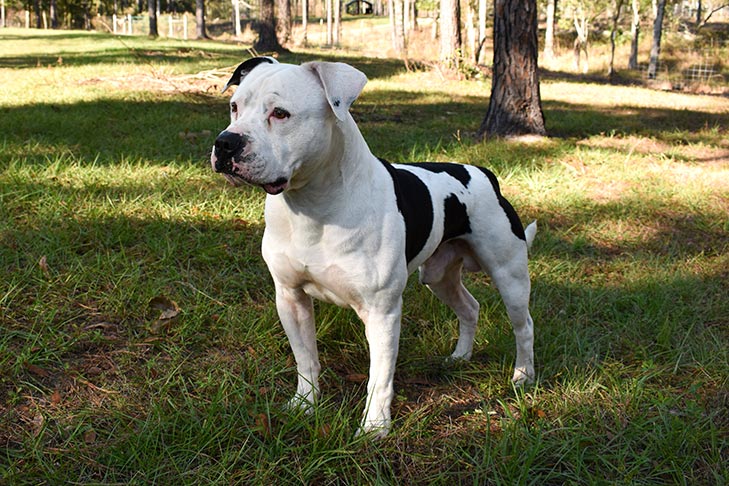
The question 'is pet insurance worth it' depends on several factors including your pet's breed, age, your financial situation, and risk tolerance. Some breeds like French Bulldogs and American Bulldogs are prone to expensive health conditions that can cost thousands in treatment, making insurance particularly valuable for these pets.
How pet insurance works varies by provider, but most policies cover accidents and illnesses after a waiting period. Premium costs depend on your pet's species, breed, age, location, and the coverage level you choose. Deductibles, co-pays, and annual limits further determine your out-of-pocket expenses.
This dog insurance guide applies to cats too, though feline policies may have different terms for breed-specific conditions. Understanding the basics helps you make an informed decision about whether pet insurance fits your situation.
Signs You Should Consider Pet Insurance
Several indicators suggest pet insurance might be a wise investment for your situation. Recognizing these signs early can help you secure coverage before problems arise.
Your pet's breed history matters significantly. Breeds like Akitas are prone to autoimmune conditions, while Labrador Retrievers commonly develop hip dysplasia and eye problems. If you own a breed with known health predispositions, insurance can provide crucial financial protection.
Financial indicators include having limited emergency savings, concerns about affording major veterinary bills, or wanting predictable monthly pet care costs. If a $5,000 emergency vet bill would create financial hardship, insurance deserves serious consideration.
Age-related factors also play a role. Puppies and kittens face accident risks from their curious nature, while senior pets develop chronic conditions requiring ongoing treatment. Young, healthy pets typically qualify for better rates and broader coverage.
Lifestyle considerations include active pets who face higher injury risks, multiple pets that multiply potential expenses, or living in areas with higher veterinary costs. Urban areas often have more expensive emergency and specialty care.
Steps to Prevent Insurance Claim Denials
Taking preventive steps protects both your pet's health and your insurance investment. Understanding policy terms and maintaining proper documentation prevents claim frustrations.
Read your policy thoroughly before signing. Understand waiting periods, exclusions, pre-existing condition definitions, and coverage limits. Many policies exclude hereditary conditions for breeds like Affenpinschers, which can develop heart problems and breathing issues.
Maintain complete veterinary records from day one. Document all health issues, treatments, and medications. Insurance companies scrutinize records to identify pre-existing conditions, so accurate documentation protects your coverage.
Schedule regular wellness exams even with insurance. Preventive care often isn't covered, but it helps catch problems early and establishes a health baseline. Some insurers offer wellness add-ons for routine care.
Submit claims promptly with complete documentation. Include itemized vet bills, medical records, and any requested forms. Follow up on pending claims and keep copies of all submissions.
Understand your policy's renewal terms. Some insurers can exclude conditions that develop during your policy period from future coverage, while others guarantee renewal regardless of claims history.
Treatment Coverage Options
Pet insurance policies vary widely in what treatments they cover. Understanding different coverage levels helps you choose appropriate protection for your pet's needs.
Accident-only policies cover injuries from unexpected events like car accidents, broken bones, or toxic ingestion. These basic plans cost less but don't cover illnesses or chronic conditions.
Accident and illness coverage includes most medical conditions your pet might develop. This comprehensive option covers emergency surgery, cancer treatment, diagnostic testing, and prescription medications. It's the most popular choice for complete protection.
Wellness add-ons cover routine preventive care like vaccinations, dental cleanings, and annual exams. While these increase premiums, they can offset regular veterinary expenses and encourage consistent preventive care.
Specialty treatments vary by insurer. Some cover alternative therapies like acupuncture or physical therapy, while others include behavioral consultations. Advanced treatments like stem cell therapy or specialty surgeries may have specific coverage terms.
Coverage limits affect your financial protection. Annual limits cap total reimbursements per year, while per-incident limits restrict coverage for specific conditions. Lifetime limits may apply to chronic conditions requiring ongoing treatment.
Questions to Ask Your Veterinarian
Your veterinarian provides valuable perspective on insurance decisions. Their experience with different insurers and claim processes offers practical insights beyond marketing materials.
- Which insurance companies do you work with most frequently, and how smooth is their claim process?
- What health conditions should I expect for my pet's breed, and are these typically covered by insurance?
- How much do common treatments cost at your practice, and what would insurance likely cover?
- Do you offer payment plans or wellness packages that might be alternatives to insurance?
- What documentation do you provide for insurance claims, and is there additional cost?
- Have you seen claim denials for conditions similar to what my breed might develop?
- Would you recommend insurance for my specific pet based on their current health status?
Ask about their experience with emergency and specialty referrals. Some insurance companies have preferred networks or require pre-authorization for expensive treatments. Understanding these requirements prevents coverage surprises during emergencies.
Discuss timing for enrollment. Most policies have waiting periods before coverage begins, and pre-existing conditions are typically excluded. Your vet can help identify any current health issues that might affect coverage eligibility.
Always consult your veterinarian before making health-related decisions for your pet, including insurance choices that affect their care options.
Quick Reference Summary
Key considerations for pet insurance decisions:
- Pet insurance works on reimbursement - you pay upfront and submit claims for partial reimbursement
- Breed-specific health risks significantly impact insurance value - research your pet's common conditions
- Enroll young and healthy pets for better rates and broader coverage options
- Pre-existing conditions are typically excluded - get coverage before problems develop
- Compare deductibles, co-pays, annual limits, and coverage exclusions between policies
- Maintain complete veterinary records and submit claims with proper documentation
- Consider your financial situation - insurance makes sense if large vet bills would cause hardship
- Accident-only policies cost less but offer limited protection compared to comprehensive coverage
- Wellness add-ons cover routine care but increase premiums - evaluate based on your preventive care costs
- Discuss insurance options with your veterinarian for personalized guidance based on your pet's needs