Understanding Spaying and Neutering
Spaying and neutering are surgical procedures that remove reproductive organs from dogs and cats. Spaying removes the ovaries and usually the uterus from female pets, while neutering removes the testicles from males.
These procedures prevent unwanted pregnancies and offer numerous health benefits. However, the timing and decision require careful consideration of your pet's breed, size, and individual health factors.
Large breed dogs like the Labrador Retriever or Akita may benefit from delayed procedures compared to smaller breeds. This spay neuter guide for dogs will help you understand the best timing and approach for your pet.
Signs Your Pet May Be Ready
Most veterinarians recommend spaying or neutering before your pet reaches sexual maturity. For small to medium breeds, this typically occurs between 4-6 months of age.
Female dogs show signs of approaching sexual maturity through behavioral changes and physical development. You may notice increased attention from male dogs, restlessness, or changes in appetite.
Male dogs begin marking territory more frequently and may show increased aggression or roaming behaviors. These signs often appear around 6-12 months, depending on the breed size.
Smaller breeds like the Affenpinscher or French Bulldog typically mature faster than larger breeds. Giant breeds may not reach full maturity until 18-24 months.
Prevention Through Proper Timing
The best age to spay or neuter a dog depends on multiple factors including breed, size, and health status. Early spaying and neutering prevents unwanted litters and reduces certain health risks.
For most small to medium breeds, spaying before the first heat cycle significantly reduces the risk of mammary cancer. The protective effect decreases with each subsequent heat cycle.
Large breed dogs may benefit from waiting until growth plates close, typically around 12-18 months. This timing helps prevent certain orthopedic issues while still providing health benefits.
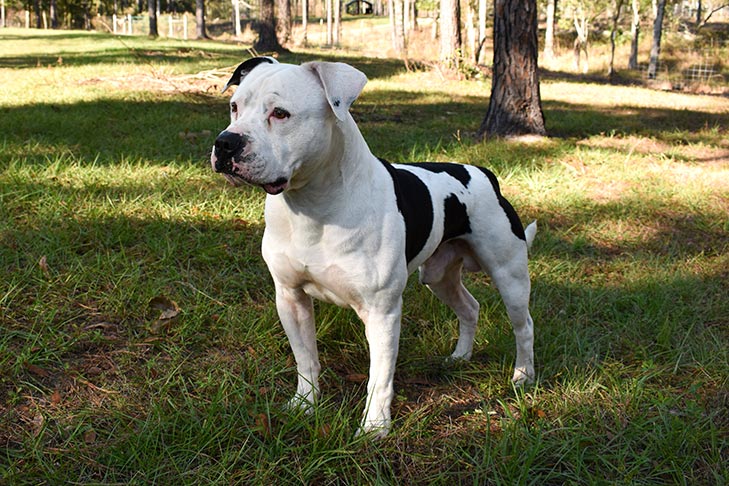
Discuss your pet's specific needs with your veterinarian. Breeds like the American Bulldog may have unique considerations based on their size and breed-specific health concerns.
Keep your pet away from intact animals of the opposite sex until the procedure is complete. This prevents accidental breeding and reduces stress-related behaviors.
Treatment Options and Procedures
Traditional spaying involves removing both ovaries and the uterus through an abdominal incision. This complete ovariohysterectomy is the most common approach and provides maximum health benefits.
Laparoscopic spaying uses smaller incisions and specialized instruments. This minimally invasive technique may result in faster recovery times and less post-operative discomfort.
Standard neutering removes both testicles through a small incision in front of the scrotum. The procedure is typically shorter and less invasive than spaying.
Some veterinarians offer hormone-sparing procedures that remove reproductive organs while preserving hormone production. These newer techniques may benefit certain breeds or individual pets.
Recovery typically takes 10-14 days with proper post-operative care. Your veterinarian will provide specific instructions for activity restriction and incision monitoring.
Questions to Ask Your Veterinarian
Prepare for your consultation by asking about the optimal timing for your specific pet. Discuss when to spay or neuter a dog based on breed, size, and individual health factors.
Ask about the specific surgical technique your veterinarian recommends and why. Understand the anesthesia protocol and any pre-operative testing required.
Discuss the complete cost breakdown including surgery, anesthesia, pain medication, and follow-up visits. Ask about payment options or low-cost spay/neuter programs in your area.
Inquire about post-operative care requirements and potential complications. Understand when to contact the clinic and what warning signs to watch for during recovery.
Ask about long-term effects and how the procedure might affect your pet's behavior, weight, and overall health throughout their lifetime.
Benefits and Risks Overview
Understanding spaying and neutering benefits and risks helps you make an informed decision. The advantages typically outweigh potential concerns for most pets.
Health benefits include elimination of reproductive cancers, reduced risk of mammary tumors, and prevention of life-threatening uterine infections. Behavioral improvements often include reduced aggression and roaming.
Potential risks include surgical complications, changes in metabolism, and possible increased risk of certain orthopedic conditions in large breeds. These risks are generally low with proper timing and veterinary care.
Always consult your veterinarian before making health-related decisions for your pet.
Quick Reference Summary
- Small breeds: Consider spaying/neutering at 4-6 months before first heat cycle
- Large breeds: May benefit from waiting until 12-18 months for growth plate closure
- Health benefits include cancer prevention and elimination of reproductive diseases
- Behavioral benefits include reduced aggression, marking, and roaming tendencies
- Recovery typically takes 10-14 days with proper post-operative care
- Discuss breed-specific timing and techniques with your veterinarian
- Monitor for complications including excessive swelling, discharge, or lethargy
- Prevent weight gain through proper diet and exercise post-surgery