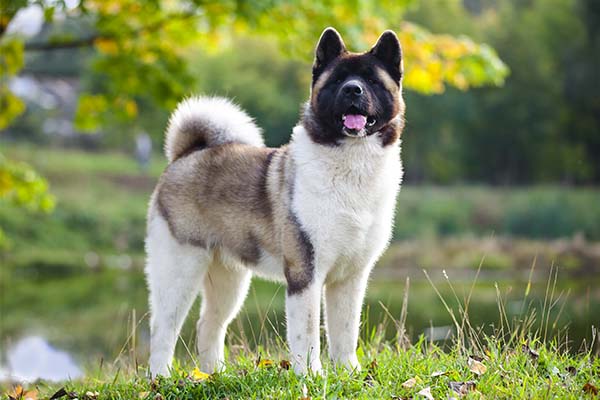
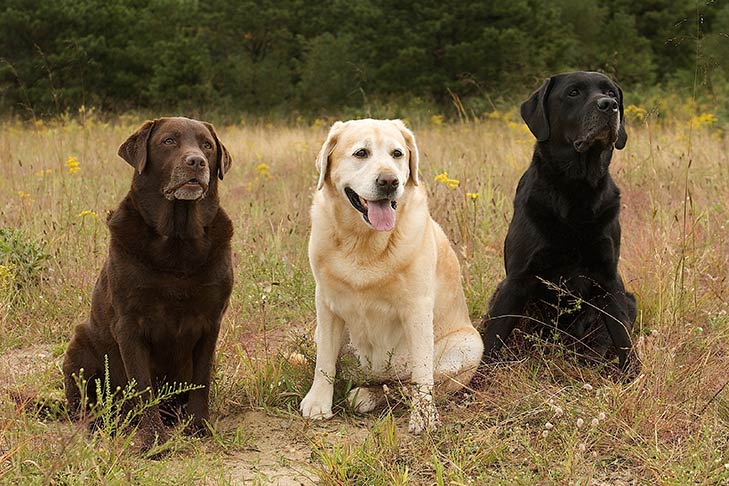
Leash pulling is one of the most common behavioral challenges dog owners face. Whether you have a determined Akita or an eager Labrador Retriever, learning how to stop leash pulling will transform your daily walks from a struggle into an enjoyable bonding experience.
The key to success lies in understanding why dogs pull and implementing consistent training techniques. With patience and the right approach, even the most enthusiastic puller can learn to walk politely beside you.
Why This Training Matters
Dog pulling on leash training goes far beyond simple convenience. When your dog constantly pulls, it creates physical strain on both of you and can lead to injuries over time.
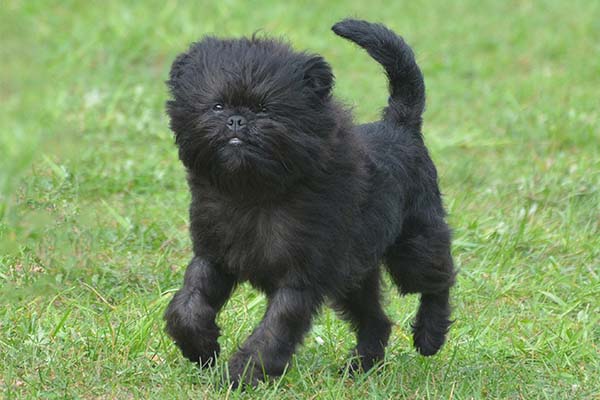
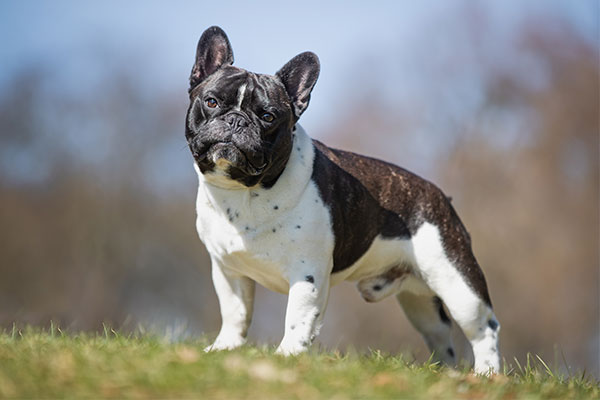
Persistent pulling can damage your dog's trachea, especially in smaller breeds like the French Bulldog or Affenpinscher. For you, the constant tugging can cause shoulder, back, and arm problems that worsen with time.
Beyond physical concerns, leash pulling creates behavioral issues. Dogs that pull are often more reactive to other dogs, people, and distractions because they're in an excited, forward-focused state rather than paying attention to their handler.
Teaching loose leash walking builds communication between you and your dog. It establishes you as the leader who sets the pace and direction, creating a foundation for all other training.
What You Need Before Starting
Success in how to stop leash pulling starts with having the right equipment and mindset. Your tools can make the difference between frustrating training sessions and steady progress.
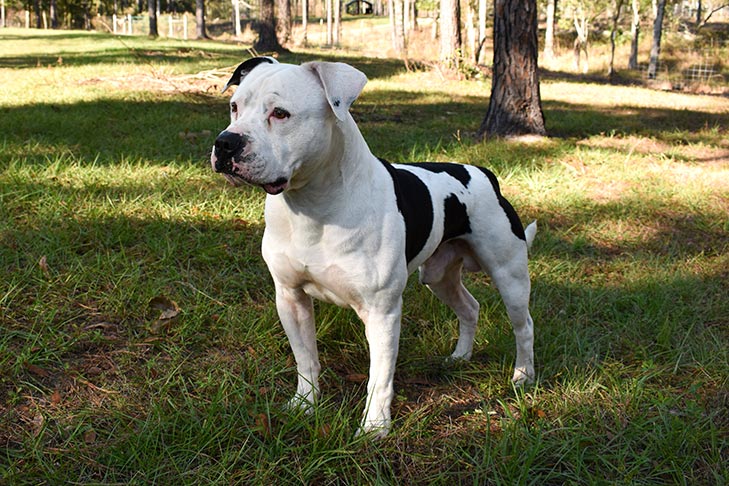
Choose a standard 6-foot leash made of leather or nylon. Avoid retractable leashes, which actually encourage pulling by providing inconsistent tension. For strong pullers like American Bulldogs, consider a front-clip harness that redirects pulling force to the side rather than forward.
Stock up on high-value treats that your dog finds irresistible. Small, soft treats work best because they're quick to eat and won't distract from training. Keep treats in an easily accessible pouch or pocket.
Plan for short, frequent training sessions rather than long, exhausting ones. Five to ten minutes of focused practice is more effective than thirty minutes of frustration for both of you.
Start training in a low-distraction environment like your backyard or a quiet street. Once your dog masters the basics, gradually introduce more challenging locations with increased distractions.
Step-by-Step Training Process
Learning how to teach a dog not to pull requires patience and consistency. These loose leash walking tips will guide you through a proven training progression that works for dogs of all sizes and temperaments.
Step 1: Establish Position and Reward
Begin with your dog on your left side, leash held in your right hand. Hold treats in your left hand near your dog's nose level. Take one step forward and immediately reward your dog with a treat and praise when they move with you.
Repeat this process, taking only one or two steps at a time. The goal is to create a positive association with staying close to your side. Practice this for several days until your dog consistently stays near your leg.
Step 2: Introduce the Stop-and-Go Method
When your dog starts to pull ahead, immediately stop walking and stand still. Do not jerk the leash or say anything. Simply become a statue until your dog stops pulling and looks back at you or returns to your side.
The moment the leash becomes slack, praise your dog and continue walking. If they pull again, stop again. This teaches your dog that pulling makes the walk stop, while loose leash walking makes it continue.
Step 3: Add Direction Changes
Once your dog understands the stop-and-go concept, introduce sudden direction changes. When your dog starts to pull, turn around and walk in the opposite direction. Call your dog's name cheerfully as you change direction.
This technique works particularly well with determined breeds. It teaches dogs to pay attention to where you're going rather than focusing solely on what's ahead of them.
Step 4: Practice Attention Commands
Teach your dog to check in with you regularly during walks. Use commands like 'watch me' or 'focus' followed by immediate rewards when your dog makes eye contact. Practice this every few steps during your training walks.
Strong-willed breeds may need extra practice with attention commands. The key is making yourself more interesting than the environment through consistent rewards and enthusiastic praise.
Troubleshooting Common Problems
Even with consistent training, you may encounter specific challenges that require adjusted approaches. Understanding these common issues will help you stay on track toward success.
If your dog shows no interest in treats during walks, they may be overstimulated by the environment. Start training indoors or in your backyard, then gradually move to more distracting locations as they improve.
Some dogs become more excited and pull harder when they see the leash. Practice putting the leash on and taking it off multiple times without going anywhere. Only attach the leash when your dog is calm and focused on you.
For dogs that pull only toward specific triggers like other dogs or squirrels, practice the 'look at me' command at increasing distances from the trigger. Gradually decrease the distance as your dog's focus improves.
If progress seems slow, remember that some dogs need weeks or months to fully master loose leash walking. Consistency matters more than speed. Short, positive training sessions will yield better results than long, frustrating ones.
When to Get Professional Help
Sometimes leash pulling stems from deeper behavioral issues that require professional intervention. Recognizing when to seek help can save you time and prevent the problem from worsening.
Consider professional training if your dog shows aggressive behavior toward other dogs or people during walks. Leash reactivity requires specialized techniques that go beyond basic pulling prevention.
If you've been consistent with training for several months without improvement, a certified dog trainer can identify issues you might be missing. They can also provide breed-specific advice, as different breeds may respond better to different techniques.
Dogs with extreme pulling that causes injury to themselves or you need immediate professional assessment. Some medical conditions can contribute to pulling behavior and should be ruled out by a veterinarian.
Group training classes can be particularly helpful for socialization while practicing loose leash walking around other dogs. Many dogs that pull excessively are simply under-socialized and benefit from structured group environments.
Quick Reference Summary
Keep these essential loose leash walking tips handy for quick reference during your training sessions:
- Use a standard 6-foot leash and high-value treats for training
- Start training in low-distraction environments before progressing to busier areas
- Stop immediately when your dog pulls and only continue when the leash is slack
- Change direction suddenly when your dog pulls to maintain their attention
- Reward your dog frequently for walking beside you with treats and praise
- Practice attention commands like 'watch me' throughout your walks
- Keep training sessions short and positive, 5-10 minutes at a time
- Be consistent with your methods and patient with your dog's progress
- Consider professional help for aggressive behavior or lack of progress after months
- Remember that some dogs need weeks or months to fully master loose leash walking
Mastering how to stop leash pulling takes time and patience, but the results are worth the effort. With consistent practice using these techniques, you'll soon enjoy peaceful walks with your well-trained companion.