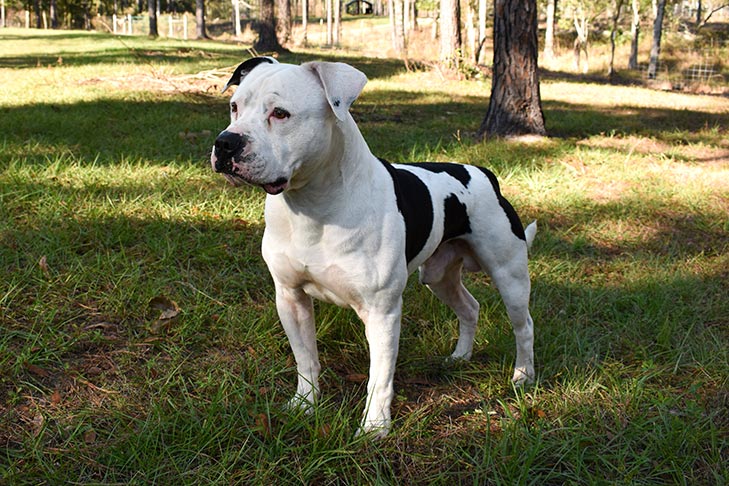
Positive reinforcement training for dogs is a science-based approach that rewards good behavior instead of punishing unwanted actions. This method builds trust between you and your dog while creating lasting behavioral changes through encouragement and motivation.
What is positive reinforcement dog training exactly? It's the practice of adding something your dog values immediately after they perform a desired behavior, making them more likely to repeat that action. This reward-based approach works with your dog's natural learning patterns rather than against them.
Why This Training Method Matters
Reward based dog training creates a positive learning environment that strengthens your bond with your pet. Dogs trained with positive reinforcement show less anxiety, aggression, and fear-based behaviors compared to those trained with punishment-based methods.
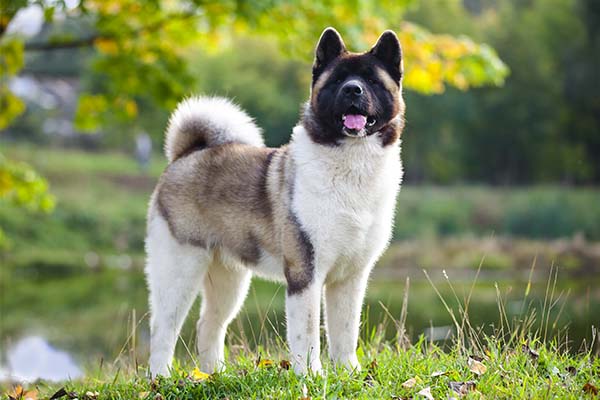
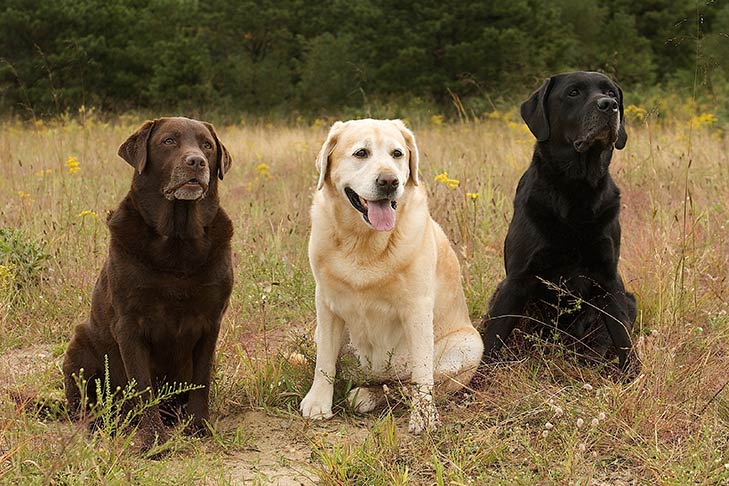
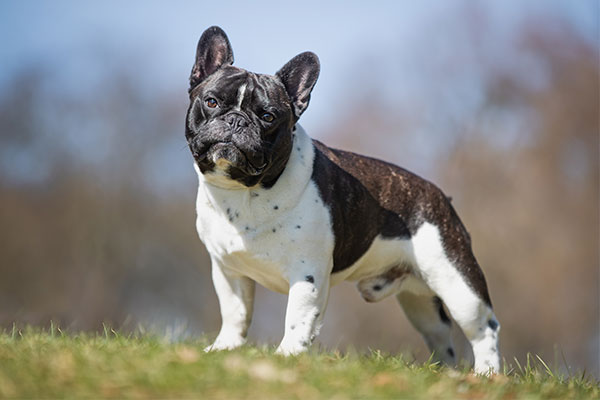
This approach works effectively across all breeds and temperaments. Whether you're working with an energetic Labrador Retriever, a stubborn Akita, or a sensitive French Bulldog, positive reinforcement adapts to your dog's individual needs.
Research consistently shows that dogs learn faster and retain commands longer when trained with positive methods. The stress-free environment also makes training sessions more enjoyable for both you and your dog.
What You Need Before Starting
Success with positive reinforcement training starts with proper preparation. Having the right tools and mindset sets you up for effective training sessions from day one.
Gather high-value treats that your dog finds irresistible. These should be small, soft, and easy to chew quickly so training flow isn't interrupted. Many trainers recommend using tiny pieces of cooked chicken, freeze-dried liver, or commercial training treats.
Choose a quiet training space free from distractions. Start indoors where you can control the environment, then gradually move to more challenging locations as your dog masters each command.
Plan for short, frequent sessions. Dogs learn best in 5-10 minute training periods repeated throughout the day rather than lengthy sessions that can lead to frustration or boredom.
Step-by-Step Training Process
Learning how to use positive reinforcement with dogs follows a clear sequence that builds success over time. Master these fundamentals before moving to complex commands.
Timing Is Everything
Mark the exact moment your dog performs the desired behavior with a consistent signal. Use a clicker, verbal marker like 'yes,' or a specific sound that clearly communicates success to your dog.
Follow the marker immediately with a reward. This creates a clear connection between the behavior and the positive outcome in your dog's mind.
Start With Simple Commands
Begin with basic behaviors like 'sit' or 'look.' Hold a treat near your dog's nose, slowly lift it over their head, and mark the moment their bottom touches the ground. Reward immediately and repeat.
Practice each command 5-10 times per session. Once your dog consistently performs the behavior, add the verbal cue before the physical prompt.
Build Complexity Gradually
Add duration, distance, and distractions as your dog masters each level. For example, extend the 'stay' command from one second to five seconds before rewarding.
Introduce new environments slowly. A command mastered in your living room may need re-teaching in the backyard or on walks where distractions increase.
Troubleshooting Common Problems
Even with perfect technique, training challenges arise. Understanding common issues helps you adjust your approach and maintain progress.
If your dog seems distracted or uninterested, evaluate your rewards. What motivates your dog may change day to day, so experiment with different treats, toys, or praise to find what works best.
Dogs that appear to 'forget' commands in new locations haven't actually forgotten. They simply need to generalize the behavior to different contexts. Practice commands in various rooms, then gradually move outdoors.
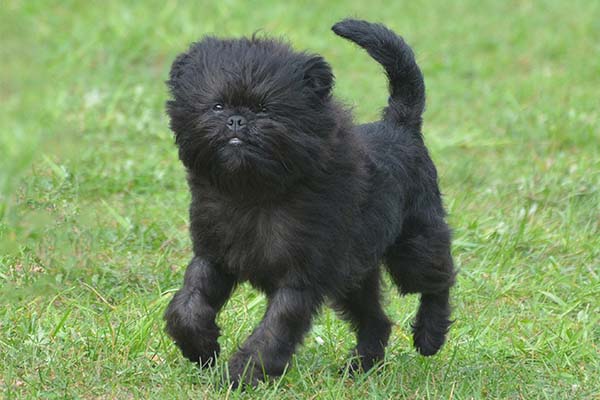
Some breeds like the independent Affenpinscher or strong-willed American Bulldog may require extra patience and higher-value rewards to maintain motivation during training sessions.
Slow progress often indicates sessions are too long, rewards aren't motivating enough, or the training steps are too large. Break complex behaviors into smaller pieces and celebrate small victories.
When to Get Professional Help
Professional trainers can accelerate your progress and address complex behavioral issues that require specialized knowledge. Consider their expertise when facing persistent challenges.
Seek professional guidance for aggression, excessive fear, or destructive behaviors that don't improve with basic positive reinforcement. These issues often require customized training plans and safety protocols.
First-time dog owners benefit from professional classes that teach proper technique and provide structured socialization opportunities. Group classes also help dogs learn to focus despite distractions.
Look for trainers certified by reputable organizations who use science-based methods. Avoid trainers who rely primarily on punishment or dominance-based techniques.
Quick Reference Summary
Keep these essential points in mind for successful positive reinforcement training:
- Mark desired behaviors immediately with a consistent signal
- Follow markers with high-value rewards your dog loves
- Keep training sessions short (5-10 minutes) and frequent
- Start in distraction-free environments before adding challenges
- Build complexity gradually by adding duration, distance, and distractions
- Practice commands in multiple locations to ensure generalization
- Adjust rewards based on your dog's motivation and energy level
- Seek professional help for aggression, fear, or persistent problems
- Stay patient and consistent - every dog learns at their own pace
Positive reinforcement training creates lasting behavioral changes while strengthening the bond between you and your dog. With patience, consistency, and the right approach, you'll build a well-trained companion who eagerly participates in learning new skills.