Learning how to potty train a puppy is one of the most important skills new pet owners need to master. This comprehensive puppy potty training guide will walk you through every step of house training a puppy, from preparation to troubleshooting common setbacks.
Successful potty training requires patience, consistency, and the right approach. With proper technique and realistic expectations, most puppies can be reliably house-trained within 4-6 months.
Why Potty Training Matters
Proper house training creates a foundation of trust and communication between you and your puppy. It prevents destructive accidents, protects your home, and reduces stress for both pet and owner.
Early potty training also establishes important routines that benefit your puppy's overall development. Dogs are naturally clean animals who prefer not to soil their living space, so you're working with their instincts rather than against them.
Consistent training prevents bad habits from forming and makes future training easier. A well-house-trained puppy is more likely to be welcome in various social situations and living arrangements.
What You Need Before Starting
Successful puppy potty training requires the right supplies and mindset. Gather these essentials before beginning your training program.
A properly sized crate is crucial for house training success. Your puppy should have enough room to stand, turn around, and lie down comfortably, but not so much space that they can eliminate in one corner and sleep in another.
High-value treats for rewards, enzymatic cleaners for accidents, and a consistent schedule are equally important. Baby gates can help confine your puppy to easily supervised areas during the training process.
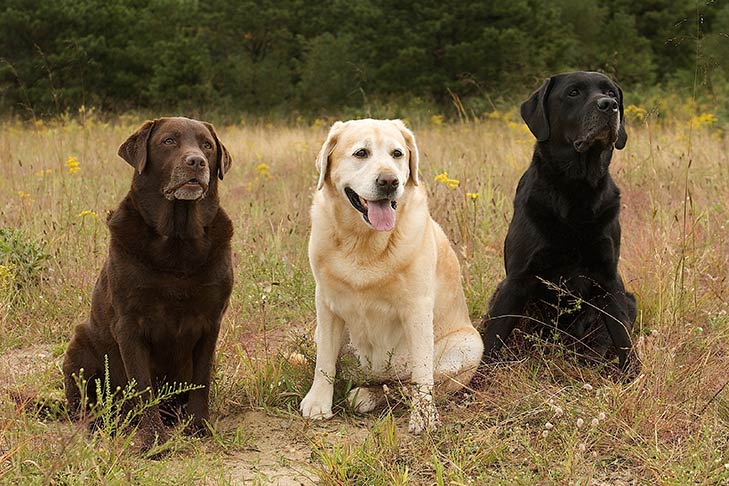
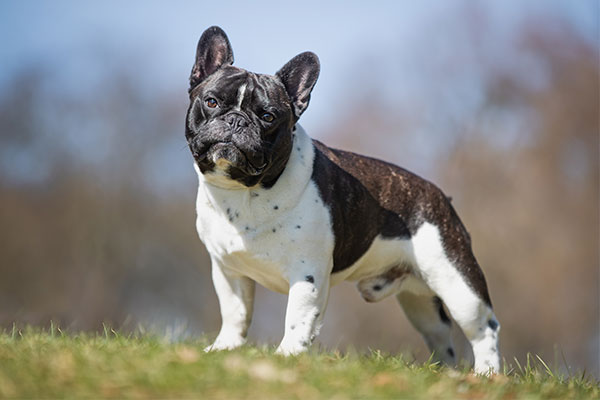
Consider your puppy's breed characteristics when planning your approach. Smaller breeds like French Bulldogs may need more frequent bathroom breaks, while intelligent breeds like Labrador Retrievers often pick up routines quickly with consistent reinforcement.
Step-by-Step Training Process
Establishing a puppy bathroom schedule is the cornerstone of successful house training. Take your puppy outside first thing in the morning, after meals, after naps, during play sessions, and right before bedtime.
Young puppies typically need to eliminate every 1-2 hours during the day. As a general rule, puppies can hold their bladder for approximately one hour per month of age, plus one hour.
Choose a designated bathroom spot in your yard and take your puppy to the same location each time. Use a consistent command like 'go potty' and wait patiently for them to eliminate.
Immediately reward successful outdoor elimination with high-value treats, praise, and brief play time. This positive reinforcement helps your puppy understand that going outside is the desired behavior.
Supervise your puppy constantly when they're not crated. Watch for signs like sniffing, circling, whining, or heading toward the door. These behaviors often indicate they need to go outside.
Crate training works hand-in-hand with potty training. Dogs naturally avoid soiling their sleeping area, making the crate a powerful tool for developing bladder control and establishing routines.
Troubleshooting Common Problems
Accidents are normal during the house training process. Never punish your puppy for accidents, as this can create fear and confusion that actually slows training progress.
If you catch your puppy in the act of eliminating indoors, interrupt them with a firm 'no' and immediately take them outside to finish. Reward them if they complete the elimination outdoors.
Clean accidents thoroughly with enzymatic cleaners that break down odor-causing bacteria. Regular household cleaners may not eliminate scents that can attract your puppy back to the same spot.
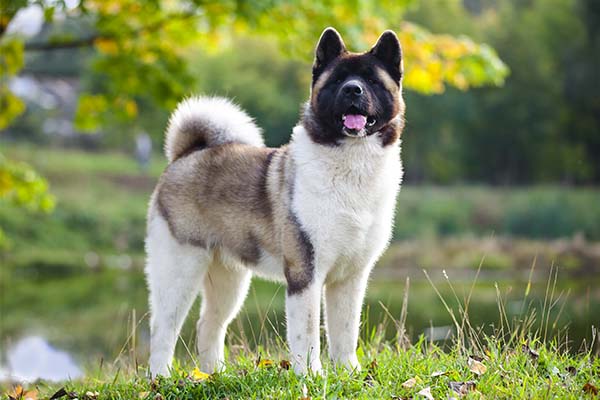
Some breeds face unique challenges during house training. French Bulldogs and other brachycephalic breeds may struggle with temperature extremes, while strong-willed breeds like Akitas may require extra patience and consistency.
Regression in house training can occur due to stress, illness, changes in routine, or insufficient reinforcement. Return to basics with more frequent trips outside and increased supervision.
Medical issues like urinary tract infections can cause sudden accidents in previously house-trained puppies. Consult your veterinarian if accidents increase suddenly or are accompanied by other symptoms.
When to Get Professional Help
Most puppies respond well to consistent house training efforts, but some situations warrant professional guidance. Consider consulting a certified dog trainer if your puppy shows no improvement after 6-8 weeks of consistent training.
Persistent accidents in puppies older than 6 months, fear-based elimination, or aggressive responses to house training attempts all indicate the need for professional intervention.
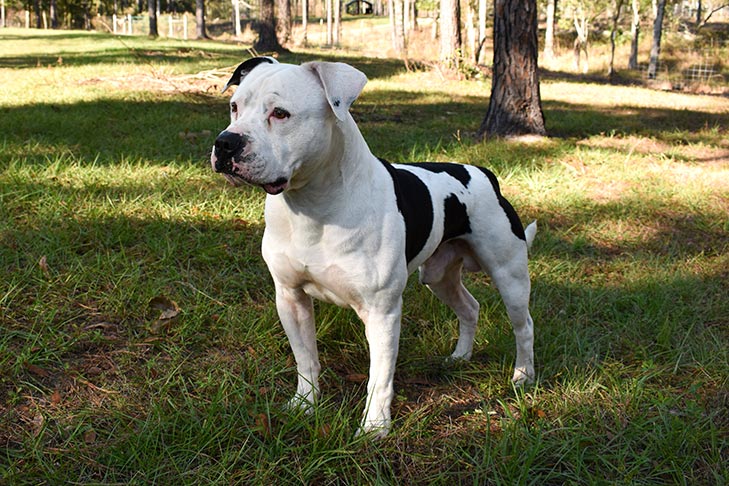
Some breeds may benefit from specialized training approaches. Working with trainers experienced in breeds like American Bulldogs or Affenpinschers can provide breed-specific insights that accelerate training success.
Professional trainers can also help address concurrent behavioral issues that may complicate house training, such as separation anxiety or excessive marking behaviors.
Always consult your veterinarian before making health-related decisions for your pet, especially if house training problems persist or are accompanied by changes in appetite, energy, or behavior.
Quick Reference Summary
Use this quick reference guide to stay on track with your puppy potty training efforts:
- Take puppies outside every 1-2 hours, after meals, naps, and play
- Use the same outdoor location and consistent verbal commands
- Reward successful outdoor elimination immediately with treats and praise
- Supervise constantly when not crated; watch for elimination signals
- Clean accidents thoroughly with enzymatic cleaners
- Never punish accidents; redirect and reward appropriate behavior
- Maintain consistent schedules and expectations from all family members
- Expect 4-6 months for reliable house training in most puppies
- Consult professionals if no progress after 6-8 weeks of consistent effort